
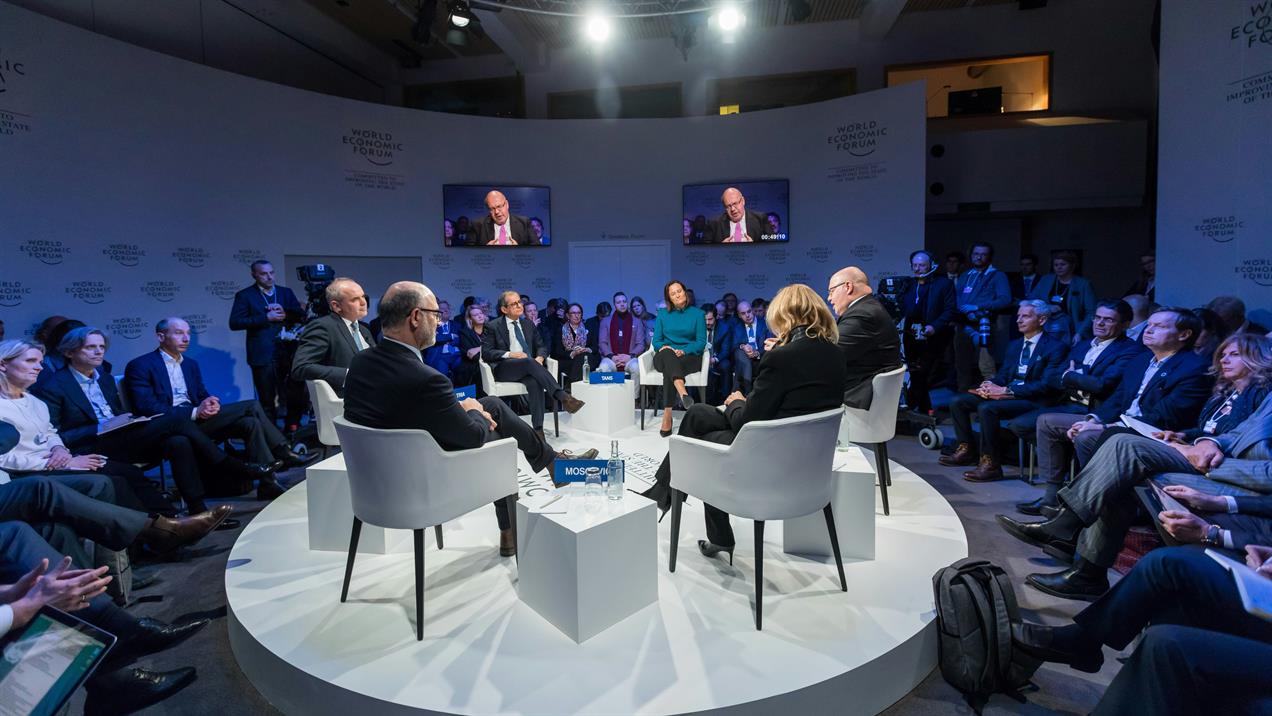
In the events world, we spend a lot of time talking about how we can shake up our approaches to programming, finding new ways to keep attendees engaged. There are any number of different approaches to this, but one that isn’t talked about often enough is ‘unconferencing’.
After 20+ years in the events industry, I am still seeing packed agendas filled with keynotes, panels and—let’s be honest—death by PowerPoint. And yet, we keep talking about the same things, in the same way.
The landscape is evolving: Sustainability, inclusivity and accessibility are no longer optional.
And attendees? They are changing too – They want memorable experiences—moments that stay with them long after the event ends. They want to participate, not just passively consume.
This means we can’t keep following busy schedules or traditional formats—we need to design events with empathy, putting people and meaningful experiences at the centre.
Have you ever attended an event with:
-
No speakers?
-
No panels?
Where the agenda is participant-driven, designed to encourage open, honest conversations and meaningful connections?
Between 2010 and 2012, I had the privilege of working with the Institute of Travel & Meetings — a time that reshaped my understanding of what true engagement looks like in professional events and conferences.
Rather than positioning attendees as passive listeners, we wanted them to drive the experience. That simple shift in perspective transformed everything. We introduced guided walks, complete with a light script, where participants could literally step out of the meeting room and into conversation — sharing their challenges, exchanging perspectives, discovering common ground in motion and later reflecting on how the experience made them feel.
At conferences, we replaced traditional slide decks and lecture-style sessions with whiteboards, sticky notes and open space. Attendees captured ideas in real time, building a living map of insights that evolved throughout the day. This hands-on approach broke down barriers, encouraged genuine collaboration and sparked the kind of dialogue that rarely happens in a conventional meeting format.
Looking back, those years taught me that learning and innovation thrive when people are trusted to take ownership of their experience. The most powerful ideas don’t come from the front of the room — they emerge from the collective energy of people exploring, reflecting and creating together.
Fast forward to 2024, I attended Cranfield University’s VentureDay, an event that took participant-driven engagement to a whole new level. Delegates could propose topics, vote on them and lead discussions. No scripted panels. No pre-set answers. Just conversations guided by participants — and the buzz around the Unconference was undeniable.
In the morning, participants proposed topics on a whiteboard, covering anything they were interested in exploring. The boards were full of great ideas, but delegates narrowed them down to their top five choices and split into separate rooms to discuss and debate their selected topics. Each session took the form of a round-circle discussion, where attendees explored the topic, shared challenges and brainstormed potential solutions.
I joined the session on “Tackling Employee Burnout.” It evolved into a candid conversation about mental health in the workplace. Delegates shared personal experiences and discussed pressing issues such as burnout, building teams with shared values and supporting employee well-being. One participant described a strategy of weekly management meetings to review staff well-being and identify ways to support their teams. Witnessing this level of openness and collaboration was inspiring.
VentureDay reminded me how powerful participant-driven engagement can be. When people are trusted to guide the conversation and share their experiences, the ideas and connections that emerge are richer, more relevant and often more actionable than any pre-planned agenda could generate.
Similarly, Lobby conferences are premier gatherings of thought leaders in the consumer and enterprise technology ecosystems who are willing to speak openly and collaborate freely. These events are true “Unconferences”: there are no speakers and no panels. Instead, the format is designed to encourage open, honest conversations and meaningful connections. As a result, attendees leave better informed, better connected and genuinely inspired.
Takeaways?
From guided walks in 2010 to Unconferences in 2024, one lesson stands out: the most meaningful connections and insights emerge when participants are given ownership of their experience. As the events and meetings industry continues to evolve, this principle remains as true today as it was over a decade ago. Events work best when they’re designed with the audience, not just for them.
Here’s how we can rethink events:
🔹Ask attendees the right questions—before and during the event, not just after.
🔹 Use live feedback to adapt sessions in real time.
🔹 Focus on emotional ROI—those “eyes light up” moments that stick.
🔹 Clarify attendee value—make it unmistakable what people will take away.
🔹 Prioritise peer-to-peer engagement—often the most memorable part of any event.
This moment of challenge is also a moment of opportunity. By being bolder and designing events that prioritise connection, engagement and impact, we can move beyond the same old formula—and create experiences people will never forget.
People remember what they help create. Attendees who are empowered to guide conversations, share stories and explore solutions together leave inspired, informed and equipped to act.
I’ve seen it in practice, over a decade apart, in guided walks, whiteboard sessions and participant-led discussions. And I’m more convinced than ever: the future of events belongs to the participants.
If you’re involved with participant-driven events or exploring new ways to engage your audience, I’d love to talk and share insights.